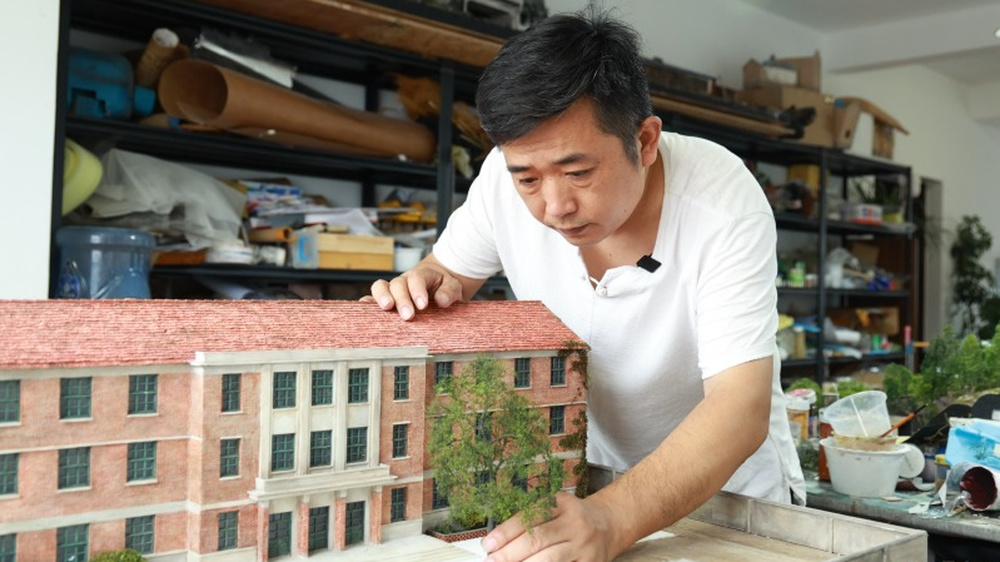
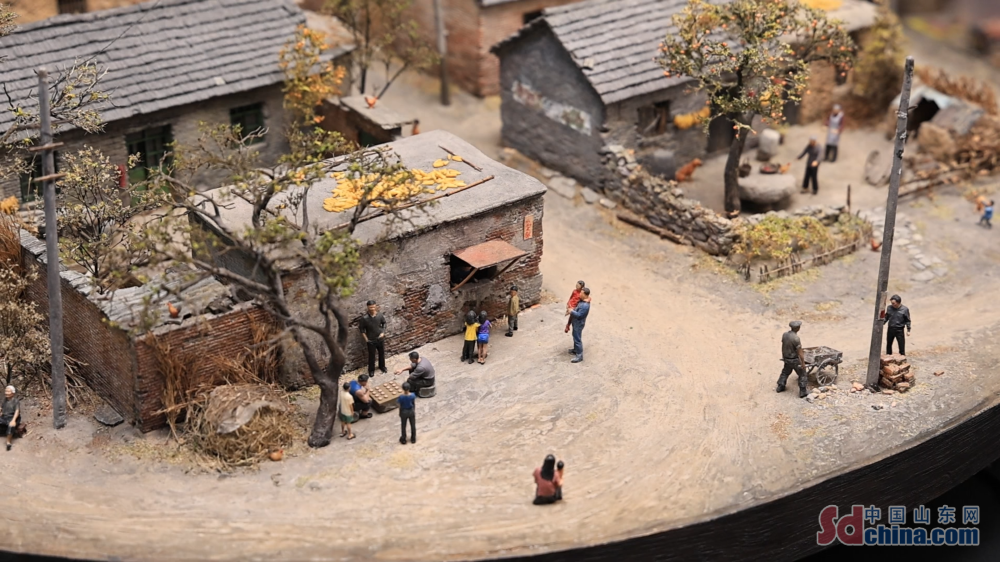
On short video platforms, miniature small farm courtyards are quietly "brought back to life". Weathered adobe walls, moss, loofah vines climbing fences and water‑stained vats recreate the look of the old‑time countryside. Creator Li Yizhong specializes in making these miniature old courtyards. By reproducing every brick and tile, he embodies people's nostalgia and blazes a viable a warm, market‑oriented and promising path for traditional handicrafts.
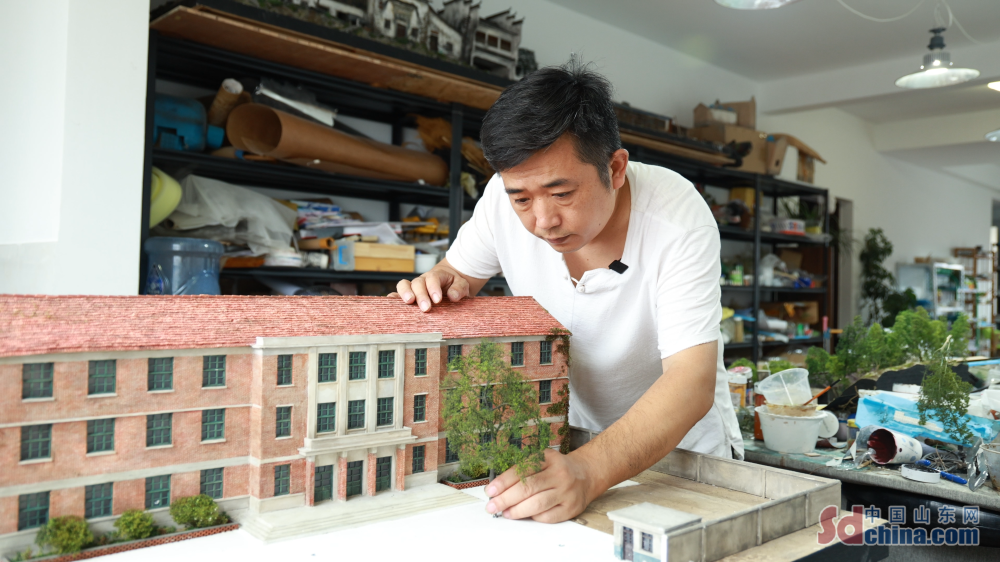
A graduate majoring in sculpture, Li Yizhong used to make large-scale sculptures. A random short‑video post featuring his miniature old houses unexpectedly went viral and gained widespread attention. Netizens shared memories of their old homes, making him realize his clay and wood works carry countless people's childhood and family memories.
He is fascinated by the warm everyday vibe of these miniature courtyards, yet creation is far from easy. Every detail, from willow twigs, jujube thorns, corn and chili peppers to window screens and withered branches, requires repeated trials. Pursuing lifelike effects, he insists on hand‑crafting, so the models can last for generations as repositories of family memories.
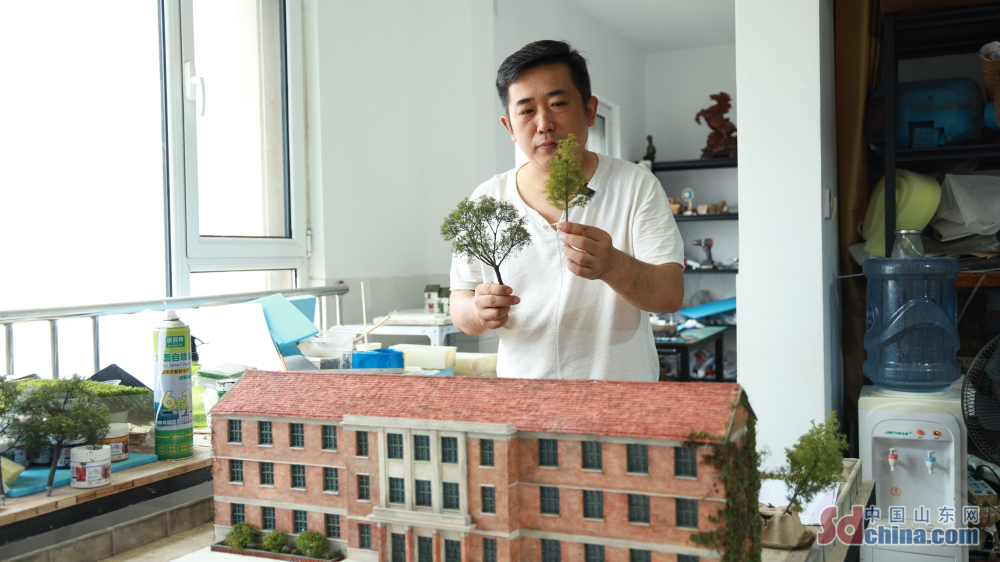
As orders kept pouring in, Li Yizhong faced public doubts. A complete miniature farm-courtyard model takes more than one month to finish. Much time is spent on material testing, texture reproduction and aging treatment, so craftsmen's hourly earnings are not high. He believes craft preservation needs a sustainable livelihood.
Targeting the untapped market of nostalgia-driven consumption, he carved out a niche for miniature old-house art, turning his works into tangible rural memories. Resisting commercial temptations, he rejects mass-produced moulded products and avoids random cross-border sales. He spent two years hand‑crafting a 1:50 scale model of the old Jinan Railway Station, a landmark work preserving urban memories.
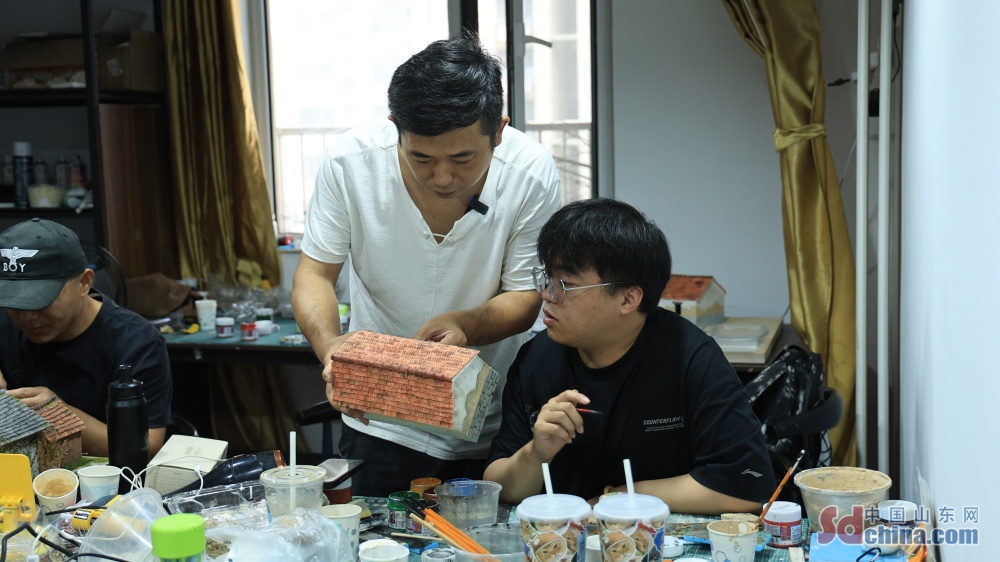
Beyond creation, Li Yizhong devotes himself to passing on the craft. He takes on trainees from across the country, including designers, stay-at-home mothers and entrepreneurs. He plans to train local craftsmen and share resources to promote the art of recreating old rural buildings.
He also integrates technology: sensors and programming components are added to miniature models, combining traditional handcrafts, local culture and modern innovation for youth education.
In his view, preserving the craft does not mean sticking to old ways. These miniature courtyards are more than decorations — they are living carriers of culture. They let future generations understand how their ancestors lived, and that is the value of a craftsperson.
Editor:Cao Xiaoxu